A Windsor civic group questions 53 in-camera 2026 budget items totaling $9M, citing transparency concerns under provincial law

Windsor Civic Group Calls for Budget Review
A civic engagement group in Windsor claims that parts of the city’s budget process undermine democracy because discussions occur behind closed doors. The group seeks an independent review of items in Mayor Drew Dilkens’ proposed budget labeled as in-camera issues.
In-camera issues are discussed only by council and select staff members without public presence due to their sensitive nature. The proposed 2026 budget, released last month, promises no change to property tax bills but includes 206 changes in the operating budget.
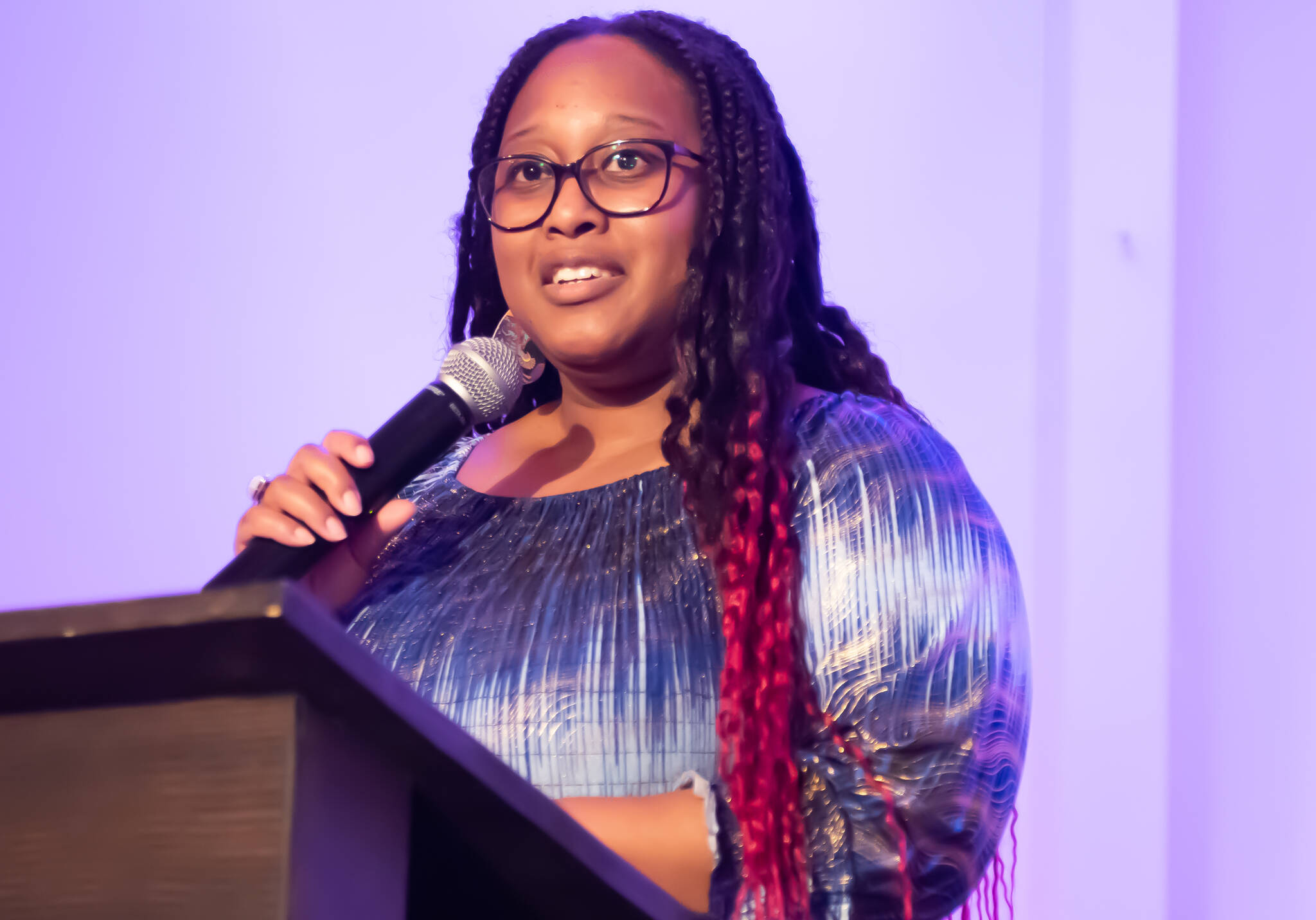
There are 53 items listed as in-camera decisions related to labour relations. Josh Sankarlal, co-chair of Engage Windsor, wants an outside organization to review if these items meet the legal criteria for private discussions.
Concerns Over Public Funds
“There’s $9 million in public funds that we’re talking about and no one at the city can tell us what the $9 million dollars are,” said Sankarlal. This figure represents the total amounts, including increases and decreases, associated with the items. These proposals would lead to a net cut of over $6 million to Windsor’s operating budget.
One item includes a $2.6-million cut to the city’s operating budget linked to the Housing and Children’s Services department. “Housing and child care, that’s important to tons of people… people deserve to know what that $2.6 million cut is,” he added.
Sankarlal stated that while specific job performance or salary details should remain private, greater transparency in the budget process is necessary. The group has asked the Ontario ombudsman’s office to remind Dilkens and council of the legal threshold for in-camera meetings.
Legal Framework for Meetings
Municipalities in Ontario must follow the Municipal Act, which outlines how to hold council meetings. This act states that meetings should be open to the public except in limited cases. There are 14 exceptions, including labour relations, that allow for in-camera discussions, but they are not mandatory.
Only items related to the Municipal Freedom of Information and Protection of Privacy Act or ongoing investigations require closed meetings. The Ontario ombudsman’s office has investigated complaints about in-camera items in Amherstburg and Essex.
The office recommends that councils provide general details about discussions, stating that merely listing the exception does not comply with the legislation. A spokesperson for the ombudsman’s office indicated that complaints should be filed with Windsor’s closed meeting investigator, Aird & Berlis LLP.
Budget Preparation and Transparency Issues
Agendas for council meetings are created by the mayor’s office and the city clerk’s office. The budget is prepared by city staff under Dilkens’ direction. CBC News has requested an interview with the mayor’s office, the clerk’s office, and the city of Windsor communications team regarding the in-camera designations. A spokesperson replied that they are working on a response.
A dollar value is assigned to each item and its department, but the details of in-camera items remain unclear because the summaries are grayed out. Dilkens stated that this budget would achieve a zero percent tax increase by eliminating vacant jobs.
Past budgets have indicated how many full-time equivalent positions would be added or removed due to in-camera items, but this budget does not include that information. Sankarlal emphasized that in-camera items can impact city services, and taxpayers should be involved in those discussions.
Public Input and Future Discussions
“I think people deserve to know how taxpayer funding to these services is being reduced,” said Sankarlal. He referenced last year’s discussion about the elimination of Windsor’s tunnel bus as an example of an in-camera item that should have been public. This item was discussed in-camera because it involved benefits for Transit Windsor workers due to the bus crossing into the United States.
Public advocacy led to it becoming a budget item discussed publicly, which ultimately resulted in the service’s end. “The precedent, in a case like the tunnel bus, to eliminate a service through an in-camera item has been set in the city,” he noted.
Council is expected to hear public opinions on the budget during a meeting on Monday. Councillors can propose amendments to the budget until January 30. If a majority approves those amendments, Dilkens can veto them. However, city council can override the veto if eight members vote in favor.
| Item | Amount | Department | Type |
|---|---|---|---|
| Proposed Budget | $9 million | Various | Public Funds |
| Operating Budget Cut | $6 million | Operating Budget | Net Cut |
| Housing and Children’s Services Cut | $2.6 million | Housing | In-Camera |