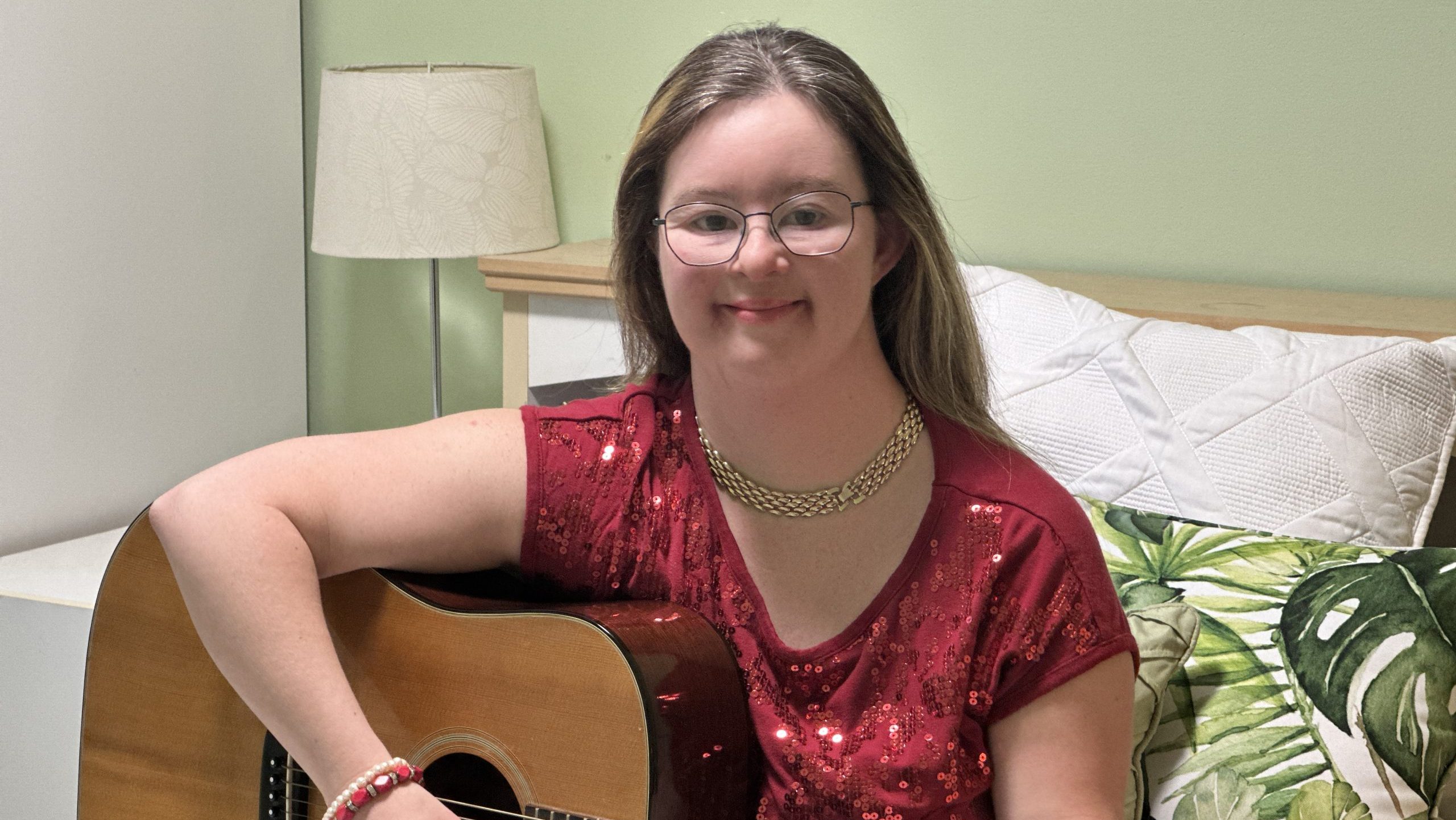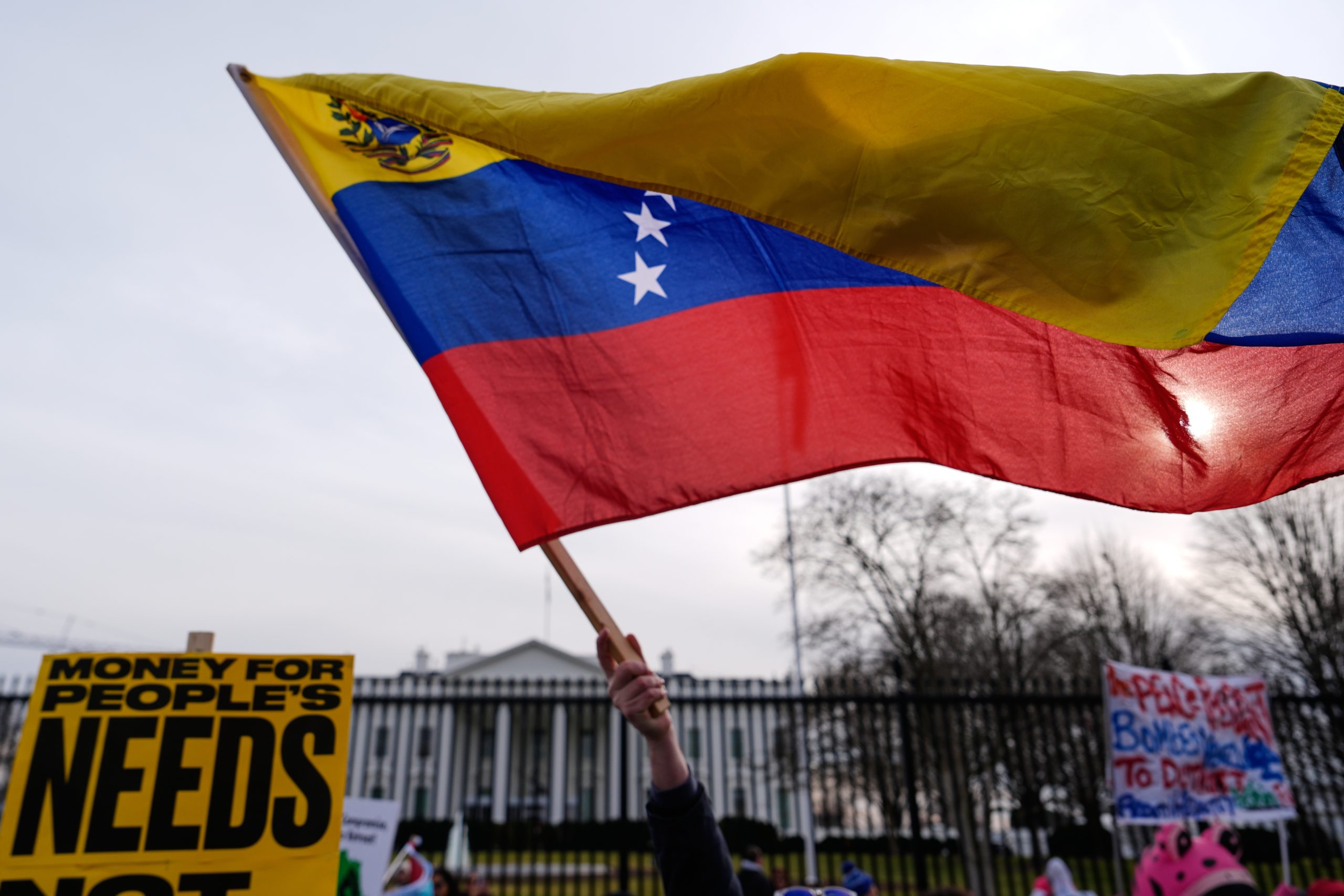
In Bridgewater, N.S., Venezuelans express mixed feelings after President Maduro’s capture by U.S. forces in Caracas on Saturday.

Verónica Gutiérrez woke up to “a million WhatsApp messages” from her family in Venezuela after the U.S. launched a strike on Caracas, capturing President Nicolás Maduro on Saturday. The strike occurred in the early hours and took Maduro and his wife, Cilia Flores, from their home at the Fort Tiuna military installation.
Gutiérrez, who left Venezuela in 2015, felt a mix of optimism and confusion. She has hoped for Maduro’s removal but now wonders about the future. “We have been living in this dictatorship for 26 years,” she said, referring to Maduro’s regime and that of his predecessor, Hugo Chávez. She questioned if this was acceptable under Trump.
After her initial emotions, Gutiérrez thought about her family. Her parents, visiting her grandmother for the holidays, are unsure how to return to Nova Scotia. They usually travel from Canada to Colombia and drive to Venezuela, but this is now uncertain. Colombian President Gustavo Petro announced that Colombia is sending armed forces to the border to prepare for possible mass migration from Venezuela.
“We don’t know what they’re going to do because it’s very hard to fly from Venezuela,” Gutiérrez said.
A photograph shared by U.S. President Donald Trump shows Maduro on the USS Iwo Jima amphibious assault ship in the Caribbean Sea on Saturday.
Ivon Valdebenito, another Venezuelan in Halifax, expressed happiness over Maduro’s removal. “I feel happy. I feel like, yes, finally, justice was made for our country,” she said. She recalled the difficult conditions in Venezuela, including hyperinflation and crime, which she blames on Maduro.
“It was very hard to handle. The robbers, the kidnappings. I was worried about my life,” Valdebenito said. The situation in Venezuela has led many to leave, with nearly 8 million Venezuelans currently living abroad, according to the United Nations Refugee Agency.
Valdebenito moved to Canada in 2020 and believes the U.S. intervention will be beneficial. She hopes it will foster collaboration between the U.S. and Venezuelan opposition leader Maria Corina Machado.
Gutiérrez remains cautiously optimistic. She is concerned about Trump’s treatment of Latin Americans, noting that mass deportations have affected many Venezuelans in the U.S. Still, she hopes for a future where people can express their ideals freely.
U.S. President Donald Trump stated that the U.S. will “run” Venezuela following Maduro’s capture, without providing a timeline, until a “proper transition can take place.”
In Canada, Minister of Foreign Affairs Anita Anand released a statement saying Canada is monitoring developments and engaging with international partners. She called for all parties to respect international law and support the Venezuelan people. “Since 2019, when Canada closed its embassy in Venezuela, we have refused to recognize any legitimacy of the Maduro regime,” Anand said.
| Date | Event | Location |
|---|---|---|
| Saturday | U.S. strike capturing Nicolás Maduro | Caracas, Venezuela |
| 2015 | Verónica Gutiérrez left Venezuela | Bridgewater, N.S. |
| 2020 | Ivon Valdebenito moved to Canada | Halifax, N.S. |