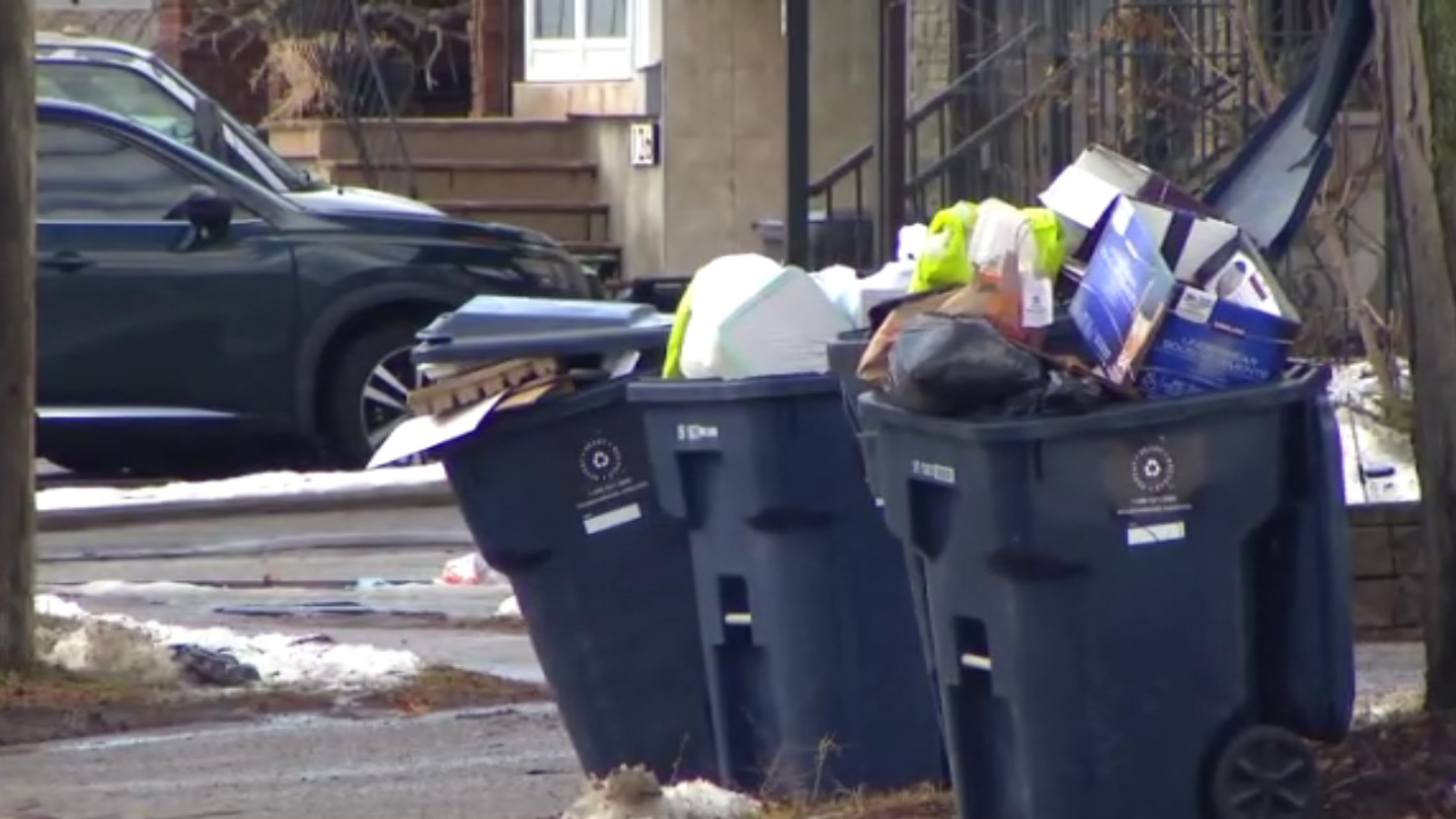
Toronto’s new privatized recycling system, managed by Circular Materials, faced major delays and failures in postholiday collections, leaving bins uncollected and residents frustrated

Toronto’s New Recycling Service Faces Challenges
In June 2025, a group of private companies took over recycling pick-up duties in Toronto. The city now relies on a not-for-profit organization called Circular Materials, which represents companies like Loblaws and PepsiCo.
Residents who left their blue bins out for a special post-holiday collection found that garbage trucks did not arrive. Many bins sat outside in the snow. When residents called for updates, they often received no answers. This situation raised concerns about the preparation for the new service.
Some city councillors attributed the issues to privatization. They claimed the Ontario government’s decision to transfer recycling collection from the city to private companies caused the problems.
However, this view misinterprets the province’s intention. The Progressive Conservative government, led by Premier Doug Ford, aimed to shift the cost of recycling collection from taxpayers to the companies that produce the products.
This principle is known as extended producer responsibility (EPR). Supporters argue that if companies must pay for recycling, they will reduce waste. This could lead to a circular economy, where materials are reused and recycled repeatedly.
Environmentalists support EPR, stating it holds producers accountable for waste. Governments in places like Germany, South Korea, and British Columbia have adopted this approach, often highlighting savings for taxpayers.
In practice, EPR is not as simple as it seems. The savings for taxpayers are minimal. Toronto’s government will save about $10 million annually, a small amount in a $19 billion budget. This money will help limit annual increases in waste collection fees.
However, residents may face higher prices in stores. Companies that incur recycling costs will likely pass those expenses to consumers. Any savings on waste collection bills may be offset by increased prices at the store.
Implementing EPR can be challenging. The provincial government previously introduced it for batteries and tires. Battery manufacturers did not meet recycling targets, leading the government to extend deadlines. Similar issues occurred with tire producers, resulting in piles of used tires waiting for processing.
A recent report from the provincial Auditor-General indicated that the organization overseeing battery, tire, and electronics recycling is not enforcing rules effectively for smaller producers.
For household recycling, Ontario spent years negotiating with producers, industry groups, and collection companies to facilitate the transition to the private sector. After producers complained about the burden, the government relaxed some recycling goals and requirements.
The result is a complex system of regulations and bureaucracy. The recent collection issues may resolve over time, but the effectiveness of the change remains uncertain. Many cities were already managing waste collection well, using either private contractors or city workers.
An old adage comes to mind: If it ain’t broke …
| Event | Date | Details |
|---|---|---|
| Recycling Service Takeover | June 2025 | Private companies took over pick-up duties in Toronto. |
| Post-Holiday Collection Issues | January 2025 | Residents’ bins were not collected, causing frustration. |
| Government’s EPR Introduction | Ongoing | Shifted recycling costs from taxpayers to producers. |
| Auditor-General’s Report | Recent | Oversight organization failing to enforce recycling rules. |