Calgary faces water restrictions due to a ruptured main, with road salt corrosion identified as a key factor in the pipe’s deterioration

Calgarians Face Water Restrictions Due to Pipe Failures
Calgarians may soon return to their bathrooms without worrying about their water system. This week, officials expect to ease emergency water restrictions.
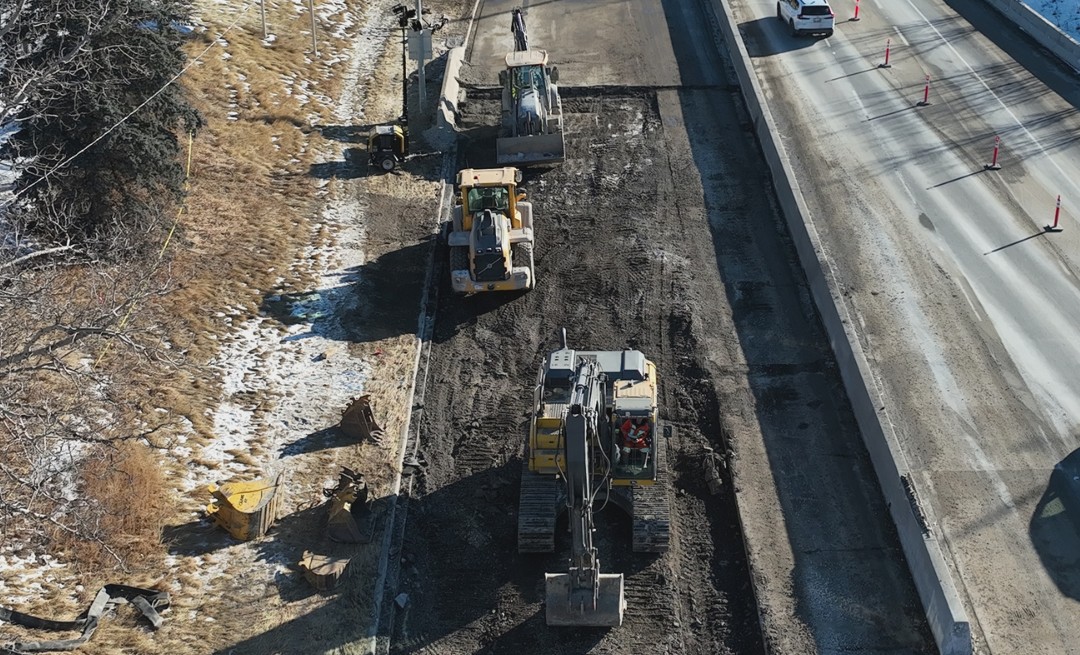
Residents have faced these restrictions for nearly two weeks. City crews are repairing the second major rupture in 18 months along a water main. This main supplies up to 60 percent of the city’s potable water. However, officials warn that the Bearspaw South Feeder Main could fail again before a permanent solution is ready.
“We have a ticking time bomb underneath our streets,” said Mayor Jeromy Farkas.
Impact of Sodium Chloride on Water Infrastructure
The recent break coincided with a report on the last major failure in June 2024. The report pointed to political and bureaucratic reasons for the pipe’s disrepair. It did not consider sodium chloride, which damages local soils and costs an estimated $5 billion in infrastructure damage annually.
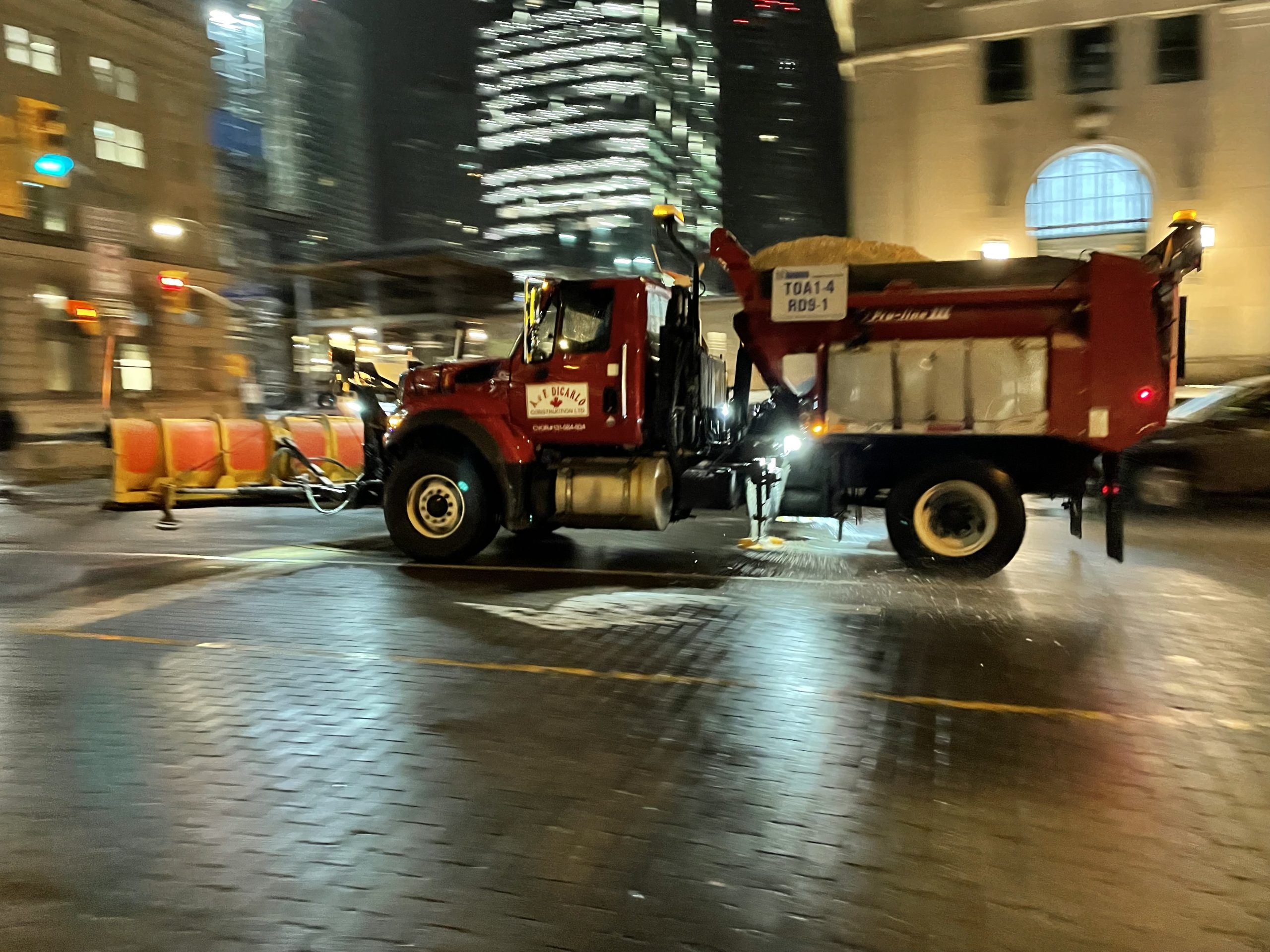
Each year, Calgary uses between 40,000 and 50,000 tonnes of road salt, an unrefined version of sodium chloride. A previous investigation found that elevated chloride levels from road salt contributed to the 2024 pipe failure.
Pipe Composition and Damage
The damaged section of the Bearspaw South Feeder Main was made of concrete and steel wrapped with high-tensile wires. It was designed to last 100 years. However, after 50 years, investigators found chloride caused hydrogen embrittlement and stress corrosion in the wires.
The same chemical that keeps roads safe in winter is endangering the water system.
Widespread Use of Road Salt in Canada
Canada spreads about seven million tonnes of sodium chloride on public roads each year. This amount could fill a line of dump trucks from Vancouver to Toronto. A 2020 study suggests Canada is the biggest per-kilometre salt user in the world.
Using salt improves safety. A study from Marquette University found that spreading salt on icy roads can reduce collisions by about 90 percent.
Environmental and Infrastructure Concerns
“Of course, salt is important for safety,” said Kamal Hossain, an associate professor at Carleton University. “But it harms our water system, vegetation, aquatic life, and corrodes vehicles and infrastructure.”
Salt damage includes the steel and concrete of Toronto’s Gardiner Expressway and Montreal’s Champlain Bridge. Canada’s Ecofiscal Commission estimates these hidden costs total $5 billion annually.
Chloride Levels and Aquatic Life
Julie Wright, national director of Our Living Waters, noted that chloride from road salt has contaminated groundwater in Waterloo, Ontario. The region’s water treatment systems do not desalinate, which is costly and energy-intensive.
The Canadian Council of Ministers of the Environment considers chloride safe for aquatic life below 120 milligrams per litre. However, waterways near major Canadian cities often exceed this level by more than ten times.
Zooplankton are especially sensitive to chloride. They are crucial in aquatic food chains, converting algal growth into energy for small fish.
Research and Alternatives to Road Salt
“Is that where we want to go – lakes full of algae and lacking diversity? I don’t think so,” said Shelley Arnott, a biology professor at Queen’s University. Her research shows adverse effects on organisms at chloride levels between 5 and 40 mg/L.
“We need to do something other than apply so much salt,” she said.
Road authorities are testing food-based alternatives like coffee grounds and beet juice. Some municipalities are using brines and technology to adjust salt application based on conditions.
Challenges in Reducing Salt Use
Despite reduction efforts, salt continues to accumulate. Chloride levels in Lake Simcoe have increased by about 0.7 mg/L each year since the 1970s. In Calgary, chloride levels along the failed Bearspaw line spiked by as much as 15 times in a decade.
Private property is another source of excess salt. In Ontario, contractors often use more salt than needed due to liability fears, according to Joe Salemi, executive director of Landscape Ontario.
Municipalities face similar concerns. Wyatt Weatherson, a PhD student at Toronto Metropolitan University, suggests public education to reduce salt use. However, he believes eliminating road salt is unlikely until climate change alters winter weather by 2100.
“It’s a wicked problem,” he said. “There’s no clear solution.”
| Fact | Details |
|---|---|
| Water Main Ruptures | Second major rupture in 18 months |
| Water Supply | 60% of Calgary’s potable water |
| Road Salt Usage | 40,000 to 50,000 tonnes annually |
| Estimated Infrastructure Damage | $5 billion annually |
| Chloride Safe Level | 120 mg/L for aquatic life |