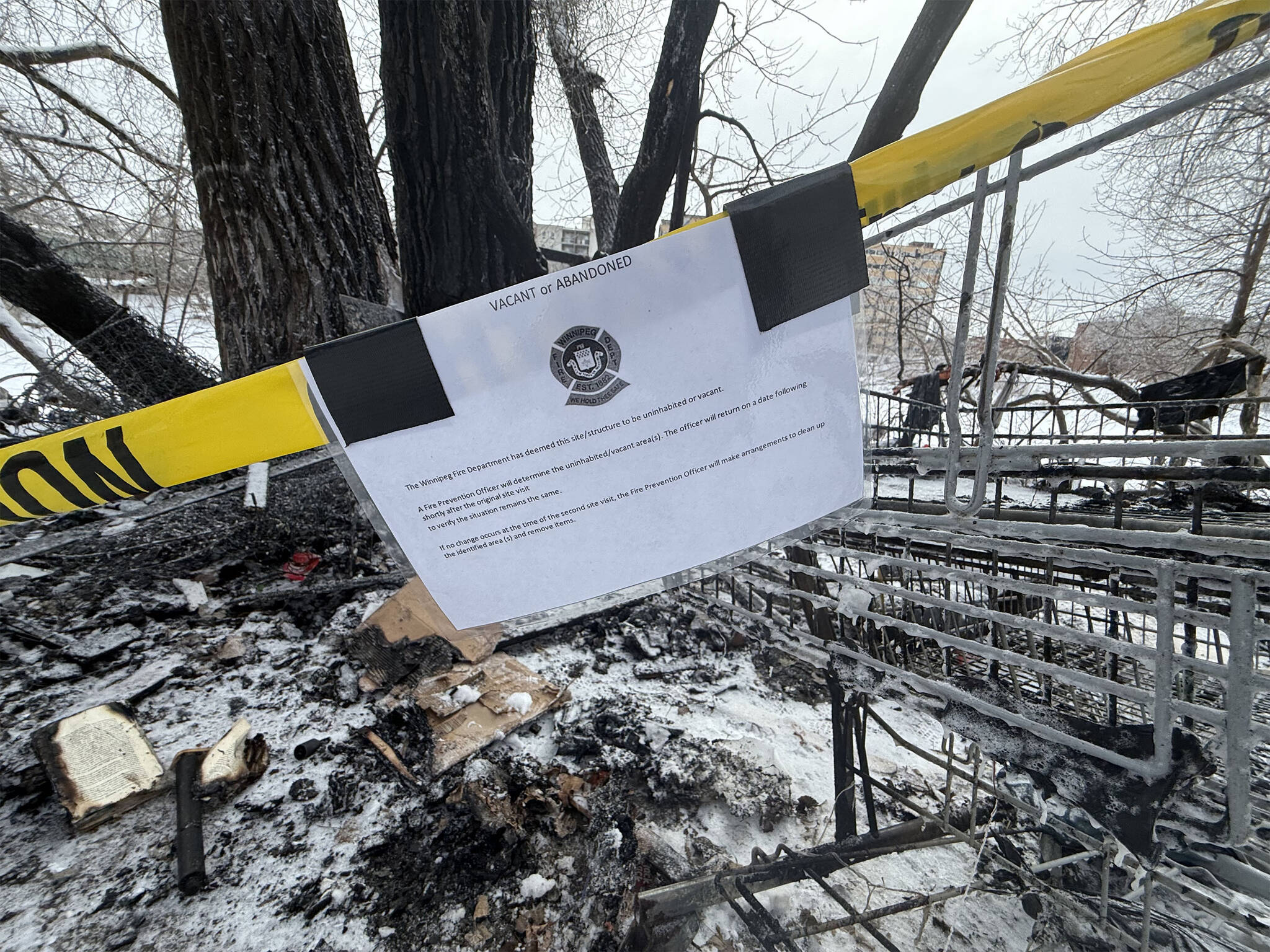
Saint John saw 38 homeless deaths in 2025, part of over 100 across New Brunswick, with drug overdoses and housing instability cited as key factors.

Deaths Among Homeless People in New Brunswick Surpass 100 in 2025
The number of deaths among homeless people in New Brunswick exceeded 100 last year, according to reports from front-line service providers and municipal officials.
CBC News contacted individuals tracking the deaths of homeless populations across the province after Fresh Start Services in Saint John reported 38 deaths in that area in 2025.
Some regions saw fewer deaths compared to 2024, while others experienced increases.
Front-line workers noted drug overdoses as the leading cause of death, while others cited issues related to prolonged homelessness.
Provincial Overview of Deaths
Here is a summary of deaths by area, listed from highest to lowest.
| Area | Number of Deaths | Details |
|---|---|---|
| Saint John | 38 | 22 unhoused, 16 recently housed |
| Moncton | 37 | 35 commemorated, 2 late December deaths |
| Fredericton | 19 | 75% due to overdoses, includes 1 16-year-old |
| St. Stephen | 5 | 2 natural causes, 2 overdoses, 1 drowning |
| Miramichi | 2 | 1 man in 40s, 1 woman in 50s |
| Upper St. John River Valley | 0 | No known deaths reported |
| Other Areas | 0 | No known deaths in Edmundston, Chaleur, Restigouche |
Details from Each Area
Saint John
Misty Schofield from Fresh Start Services reported that of the 38 deaths, 22 were people unhoused at their time of death. Sixteen others had been housed briefly before passing away due to factors related to being unhoused.
Schofield noted that deaths among the unhoused community in Saint John have been rising since 2019.
Moncton
In Moncton, the number of reported deaths decreased in 2025. Thirty-five people were honored at a ceremony on December 18, down from 53 the previous year. John Renton attributed the decrease to increased awareness and harm reduction efforts.
Two additional deaths occurred in late December, bringing the total to 37 for the year.
Fredericton
Fredericton saw 19 deaths among the homeless population in 2025. Warren Maddox estimated that about 75% were due to drug overdoses. A 16-year-old female also died after an overdose at a transitional housing site.
St. Stephen
In St. Stephen, five people who had experienced homelessness died in 2025. Jim Stuart reported two deaths from natural causes, two from overdoses, and one from drowning.
Miramichi
Miramichi officials reported two deaths in 2025. A man in his 40s died on November 1, and a woman in her 50s died on November 19. Police confirmed neither death was suspicious.
Upper St. John River Valley
Alissa Stairs, part of a new outreach team, reported no known deaths due to homelessness in the Upper St. John River Valley. A death in Woodstock was later confirmed not to be related to homelessness.
Other Areas
Officials in Edmundston, Chaleur, and Restigouche reported no known deaths among homeless individuals in 2025. There were no reports from the Acadian Peninsula or Sussex area.
Overall Death Count
The total number of deaths is either 101 or 103, depending on whether the 16-year-old from Fredericton is counted and whether the Woodstock case is included.
Challenges in Tracking Deaths
Dr. Sara Davidson stated that the actual numbers are likely higher. She emphasized the importance of tracking deaths but noted the challenges in ensuring accuracy.
Davidson described the high number of deaths as “heartbreaking” but not surprising, as those experiencing homelessness are more vulnerable to death.
Factors Contributing to Deaths
Davidson explained that neglecting health issues while focusing on survival can have long-term effects. She mentioned that many individuals use substances to cope with homelessness.
She also pointed out that the rising death toll is due to an increase in the homeless population and a toxic drug supply.
Recommendations for Reducing Deaths
To lower the number of deaths, Davidson advocates for supportive housing options that do not require abstinence from substance use. She also recommends additional support services for individuals with complex needs.
Davidson noted that while efforts are underway, progress is slow.