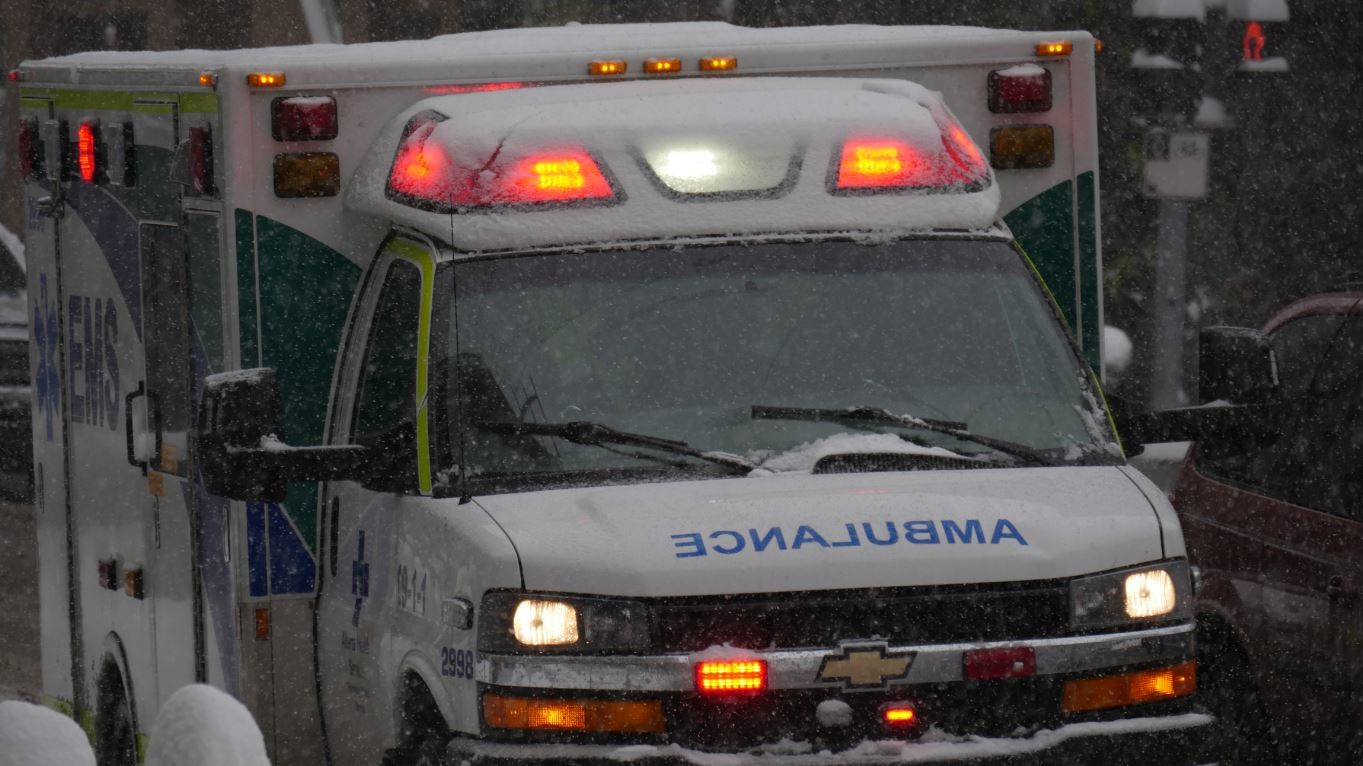
In Quebec, Indigenous health advocates express worry over funding delays affecting essential health services for communities.

Indigenous health advocates in Quebec say funding uncertainty is leaving communities unsure how they will provide essential health services. They warn this uncertainty could undermine progress and put patient care at risk.
“We are no further ahead in 2025 than we were when I started working in EMS. And there I say it was a long time ago, back in 1988,” said Robert Bonspiel, the president and director of First Nations Paramedics.
“If we’re not addressing all of those things, then really the picture is not going to change, and there’s going to be another Joyce Echaquan at some point,” added Derek Montour, the president of First Nations of Quebec and Labrador Health and Social Services Commission.
The concerns come years after the Viens Commission, a public inquiry launched by the Quebec government in 2016. It examined how Indigenous people were treated by public services, following allegations of police brutality and systemic discrimination in Val-d’Or.
The commission released its final report in 2019, issuing 142 calls to action, many focused on health care and emergency services. “They found that many Indigenous communities experienced a liaison ambulance response, sometimes over 60 to 90 minutes, often resulting in avoidable deaths or medical deterioration of the situation,” said Bonspiel.
“Their role is really to ensure that rights are upheld,” Montour added. “And yet it shows with the lack of progress that Quebec or Canada doesn’t have to follow through with these.”
In a follow-up report released in November 2025, Quebec’s ombudsman warned budgetary restrictions could undermine efforts to implement the Viens recommendations. “In his last report in November, the ombudsman highlighted at least four different recommendations, from 142 down to four. So hopefully Quebec can follow through with those recommendations,” said Montour.
One proposed solution is PRECA, a first responder program designed for communities without local ambulance services. The program would train community members to respond to medical emergencies during the critical gap before paramedics arrive.
“Funding approvals get delayed. Ultimately, programs like this are set aside, are put aside, they’re not deemed as necessary and urgent, and the people don’t get the care that they require,” said Bonspiel.
Advocates also say access to emergency medical services remains uneven in many Indigenous communities across Quebec. “Fifty-two communities still do not have an ambulance service. They rely on police, they rely on first responders… or nursing stations,” said Bonspiel.
| Date | Event | Location |
|---|---|---|
| 2016 | Viens Commission launched | Quebec |
| 2019 | Final report released | Quebec |
| November 2025 | Follow-up report by ombudsman | Quebec |